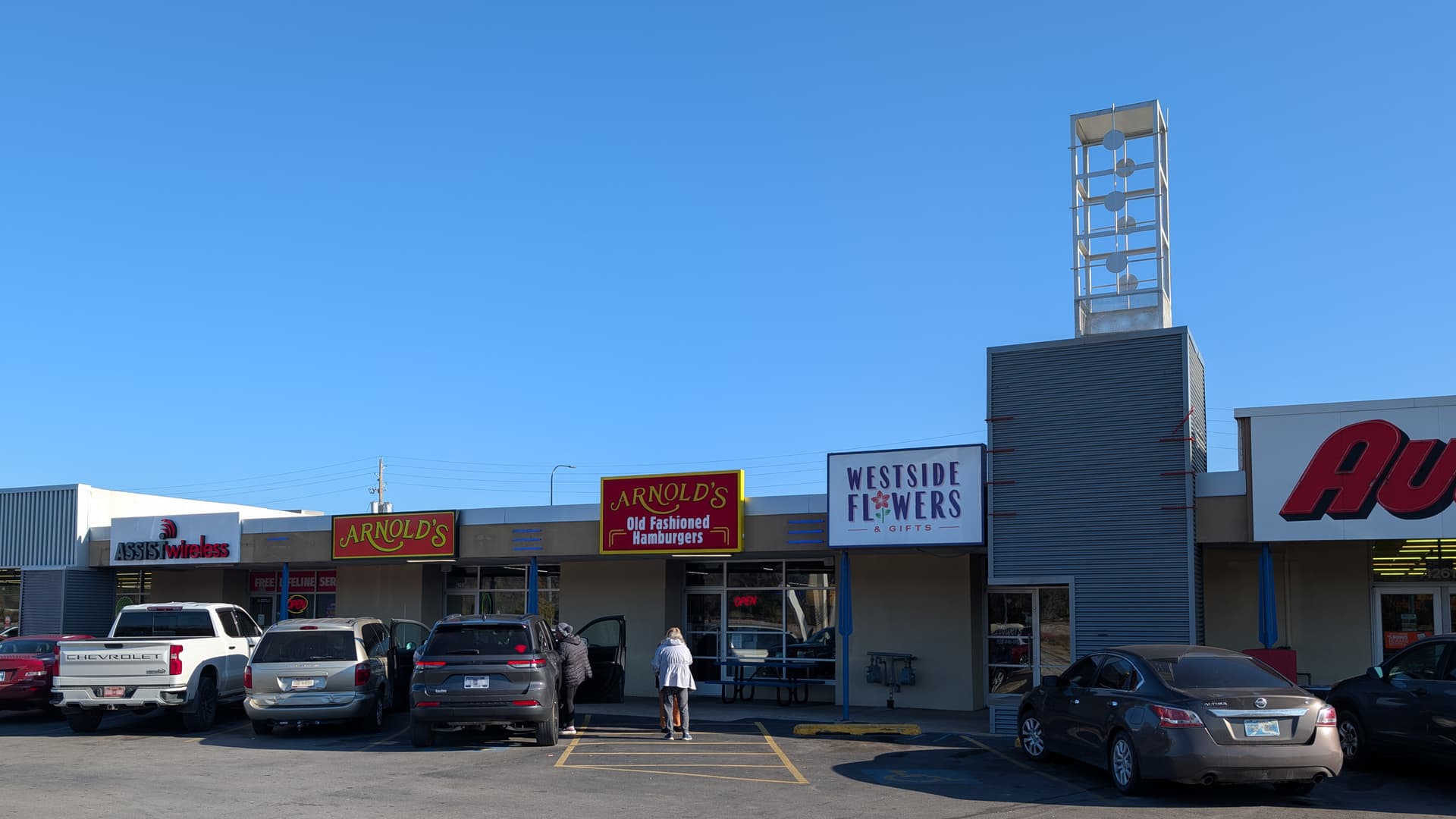
Michigan's Flower Price Changed What Gets Manufactured
When flower falls far enough, the economics of infusing it invert.
Michigan's sustained decline in retail flower prices changed the manufacturing decision before it changed the menu.
Independent cannabis reporting
Reporting on infused and concentrate cannabis. Clear explanations of how products are built, tested, labeled, and sold.
Original reports
Coverage desks
Source images
Lead story
When flower falls far enough, the economics of infusing it invert.
Michigan's sustained decline in retail flower prices changed the manufacturing decision before it changed the menu.
Field reports
Most of the market sits in a handful of regions.
Door count per resident, not market size, is what makes it unusual.
A gram of moon rock and a gram of flower are priced the same way and are not the same thing.
Strain names describe one of three layers and predict almost nothing about the other two.
The three-layer format that started as a novelty and became a category.
The format needed a concentrate that behaved the same way every time, and only one did.
Most of what a concentrate loses, it loses after it is made.
Rosin commands a premium for how it is made, which is not the same as how it performs.
Anyone can make one. Making ten thousand identical ones is the business.
Paper, hemp and leaf burn at three different rates, and the infusion has to be built for each.
One word covers at least four different products, and the label rarely says which.
For most products a batch is a volume. Here it is a shift.
The regulation assumes a product that was mixed. Moon rocks are assembled.
Testing rules were written for uniform products. Moon rocks are three materials assembled by hand.
A correctly built piece can still arrive stripped.
Temperature control, not extraction equipment, is what limits how much a producer can make.
Hand assembly puts a variance into the category that no amount of process control removes.
When flower falls far enough, the economics of infusing it invert.
Most of the market sits in a handful of regions.
Door count per resident, not market size, is what makes it unusual.
Latest reports
A correctly built piece can still arrive stripped.
Temperature control, not extraction equipment, is what limits how much a producer can make.
For most products a batch is a volume. Here it is a shift.
The regulation assumes a product that was mixed. Moon rocks are assembled.
Anyone can make one. Making ten thousand identical ones is the business.
Paper, hemp and leaf burn at three different rates, and the infusion has to be built for each.
The format needed a concentrate that behaved the same way every time, and only one did.
Most of what a concentrate loses, it loses after it is made.
Rosin commands a premium for how it is made, which is not the same as how it performs.
A gram of moon rock and a gram of flower are priced the same way and are not the same thing.
Strain names describe one of three layers and predict almost nothing about the other two.
Testing rules were written for uniform products. Moon rocks are three materials assembled by hand.
Hand assembly puts a variance into the category that no amount of process control removes.
Four names that answer two different questions, and why the labels get confused.
One word covers at least four different products, and the label rarely says which.
The third layer is the one buyers notice first, and the one producers get wrong most often.
The three-layer format that started as a novelty and became a category.
Moon Rock Times
This website contains cannabis-related information intended for adults 21+ where legal.