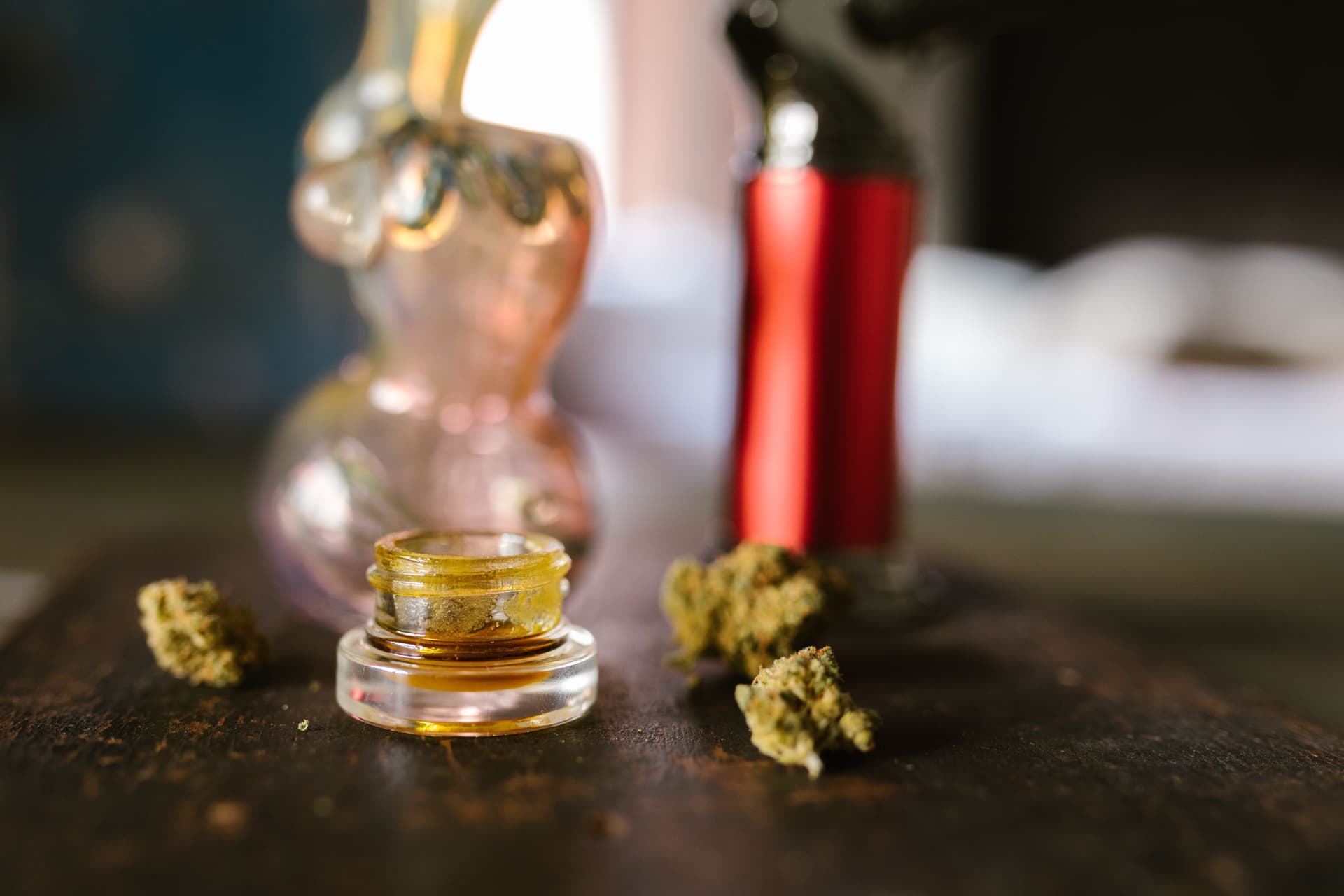
Most of what a concentrate loses, it loses after it is made.
Concentrate preservation is controlled by the handling chain after extraction: time, temperature, light exposure, headspace and package openings determine what reaches the production bench and retail shelf. Extraction method sets the starting composition. Storage and transfer determine how much of that starting profile remains available for a finished product. A processor seeking consistent aroma therefore gains more from a documented cold, closed workflow than from treating the extraction label as a complete quality tier.
Terpenes are volatile compounds, which means they move readily from liquid or resin into surrounding air. Every open vessel creates a transfer opportunity. A large headspace gives volatile material more room to leave the concentrate while the package remains closed, and each opening replaces saturated air with fresh air that can accept more. A container selected around the actual fill volume reduces that exchange surface and limits repeated handling.
Temperature accelerates movement and changes viscosity at the same time. Warm concentrate flows more easily for transfer, mixing or application, yet extended warm holds increase the opportunity for volatile components to leave the material. A strong process uses the minimum controlled heating needed for the operation, then returns the intermediate to its approved storage range. The objective is a repeatable thermal history rather than a sequence of improvised reheats.
Light and oxygen add separate pathways. Transparent containers placed under working lights expose the whole stored volume. Repeated opening refreshes oxygen in the headspace. Opaque or protected storage, closed transfers and smaller working vessels reduce those contacts. The bulk package can remain in controlled storage while the bench receives only the amount needed for a defined run, limiting exposure to the material actually in use.
Michigan's Cannabis Regulatory Agency advises processors to maintain procedures, trace production stages in Metrc, follow package controls and document operations. Those records can include storage location, container identity, transfer time and conditioned-use windows. Massachusetts testing recommendations focus on representative samples and final-form testing, creating another reason to stabilize post-extraction handling: the material presented for testing and the material used in production need a documented relationship.
The package chosen for retail continues the same work. A concentrate stored in a broad shallow vessel has a different surface-area relationship from the same quantity in a smaller fitted container. Liners, seals and closure cycles affect the headspace exchange. Secondary packaging can block light and buffer short temperature changes. These choices are handling controls expressed through package engineering.
A retention program can reveal where change enters the chain. Sealed samples from receipt, post-conditioning, post-application and finished packaging can be held under the same documented conditions and compared at defined intervals using the processor's approved quality procedures. The record links each observation to container, temperature history and elapsed time. When one stage diverges, the team can adjust the specific hold, transfer or package instead of assigning every difference to the original extraction run.
Massachusetts' emphasis on homogenizing the laboratory sample before subsampling reinforces the need for disciplined custody. The laboratory controls its preparation after receipt; the processor controls the material history before receipt and the retained production material after sampling. Seals, storage logs and short transfer windows preserve the relationship among them. A valid analytical result and a stable production process depend on knowing that each portion came from the same controlled package history.
Working-container policy closes a common gap. Returning warmed material from an open bench vessel to the original bulk package combines two different histories and exposes the remaining inventory again. Issuing only the planned amount, labeling the working vessel and reconciling unused material under a defined disposition keeps the bulk lot protected. The procedure may use more small containers and demands accurate weighing, yet it gives every later run a cleaner starting point and makes hold-time records meaningful.
Time should be measured as process inventory rather than treated as a neutral wait. A package held for weeks before conversion has accumulated a longer exposure history than one moved promptly into a finished format. First-in, first-out controls, defined maximum hold periods and small work-in-process queues keep that history consistent. When a finished product changes from run to run, the investigation can then compare extraction lots and downstream handling records separately.
Method names remain useful because they tell the reader how the concentrate began. They cannot describe every transfer, warm hold, storage room, container or packaging event that followed. The profile delivered to a customer is the outcome of the whole chain. Processors preserve more of what extraction created by keeping that chain cold where appropriate, closed whenever possible, protected from light and short enough to remain controlled.
The Presidential New York moon rock collection shows the finished-product category in which concentrate handling becomes part of the assembled product.
Sources
- 01 / MichiganMichigan processor handling and package-control guidance
- 02 / MassachusettsMassachusetts final-form cannabis testing recommendations