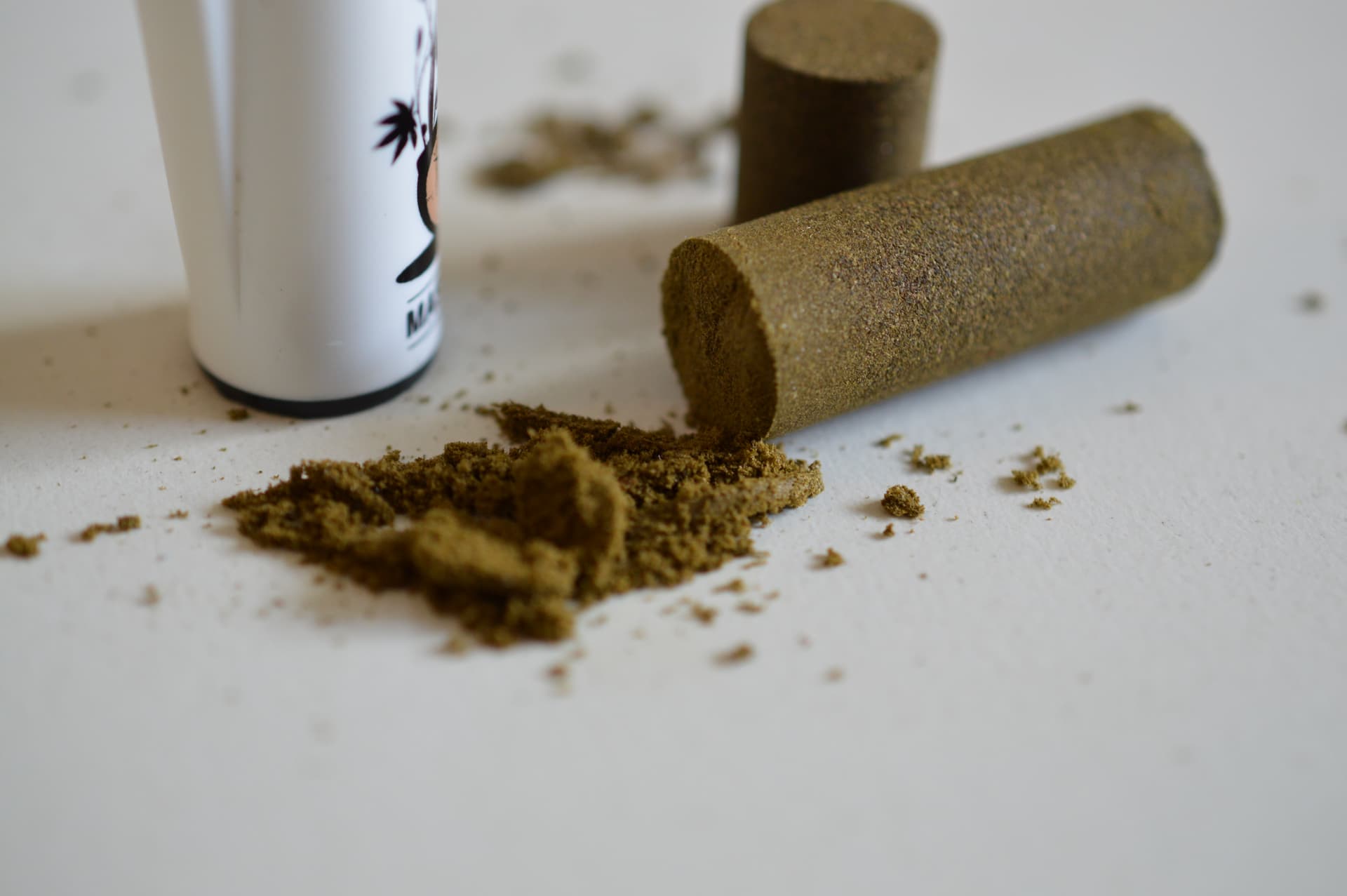
Rosin commands a premium for how it is made, which is not the same as how it performs.
Solventless describes a mechanical production method, and the word alone does not rank the resulting concentrate above material made with an approved solvent process. Rosin's premium follows its input selection, low yield, cold handling and labor. Performance in a manufactured format depends on properties such as viscosity, uniformity, stability and application temperature. A processor coating flower evaluates those properties directly because the extraction category cannot predict how a specific lot will move through the bench.
California's manufacturing license system draws the method line precisely. Type 7 licenses authorize volatile-solvent extraction and other manufacturing activity. Type 6 licenses authorize nonvolatile-solvent extraction, mechanical extraction and broader manufacturing. The state also defines infusion and packaging-only privileges. These are permissions tied to equipment, premises and process, not a state quality ladder. Each licensee still has to produce a compliant finished product and send required batches through licensed testing.
Washington's Liquor and Cannabis Board likewise treats extraction as an authorized processor activity. Its licensing guidance directs processors adding combustible or dangerous extraction methods to obtain equipment review and local fire-marshal approval, with WAC 314-55-104 governing methods and equipment. Mechanical and solvent processes therefore enter the market through different safety controls while remaining manufacturing paths to a regulated concentrate.
Rosin is pressed from flower, sift or hash using heat and pressure. The yield reflects the resin available in the input and the ability to separate it mechanically. High-quality input carries an opportunity cost because it could have been sold or used elsewhere, and the remaining pressed material retains mass that a solvent process might have extracted. Cold storage, preparation and careful collection add labor around each press cycle. Those factors explain a price premium without turning price into a performance score.
Solvent extraction uses a different separation mechanism and can recover material at larger scale. Closed systems, approved equipment, ventilation, fire-code controls and downstream purging or refinement create their own capital and operating costs. The output can be finished into several textures or refined further. A well-controlled solvent process produces a consistent intermediate; a poorly controlled mechanical process can produce material that remains difficult to meter or apply.
Coating flower makes the comparison concrete. The concentrate must reach an application range where it spreads evenly without soaking deeply into the bud or setting before the outer layer is added. Particles, crystallization, viscosity drift and short working time can interrupt coverage. The processor may blend, condition or select a different lot to fit the format. Method matters because it shapes the starting material, while bench performance decides whether that material fits the operation.
That operational view explains how extraction method changes what reaches the flower. The relevant path runs from input preparation through extraction, storage, conditioning and application. A format producer needs the concentrate that holds its specification through that path. The solventless label supplies one fact about the path and leaves the remaining manufacturing facts to the lot record.
Input selection can reverse simple category expectations. Rosin pressed from carefully prepared sift can arrive clean and workable, while rosin from unsuitable material can carry particles or an unstable texture. A refined solvent extract can present a narrow, predictable application range, while another solvent extract can require further finishing. The manufacturing team earns accuracy by qualifying the actual lot: storage state, flow under controlled heat, visual uniformity, pickup on the target flower and behavior during setting all provide direct evidence for the intended use.
Yield also belongs in the quality conversation as an economic fact. Mechanical separation leaves valuable material behind and places a premium on resin-rich input. Solvent systems recover through a different mechanism and support larger throughput, paired with equipment, purging and safety controls. Those yield structures explain why menus price the categories differently. They do not replace batch records, laboratory results or application trials when a processor chooses the material that will perform on a production line.
Quality is therefore demonstrated at the product and process levels. Input identity, handling history, test results, appearance, consistency and fit for the intended format provide evidence. Solventless remains a meaningful method claim and a real cost structure. It becomes useful technical information when it is read as the beginning of a process description rather than the final position in a ranking.
Sources
- 01 / CaliforniaCalifornia volatile and nonvolatile extraction license scopes
- 02 / WashingtonWashington processor extraction-equipment approvals